

Floating Paschi
Base balances the flyer by the upper arm of the flyer. Flyer is in a Paschi pose. I found quite a few videos that thoroughly …

Back bird
Back bird “doe-legged”, i.e. the flyer draws in one leg bent and the other leg extended Flyer lets go of his hands and feet and …
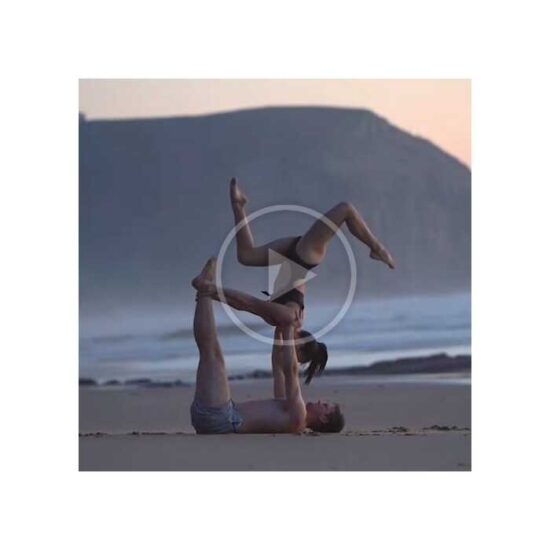
SIMPLE AND BEAUTIFUL FLOW FOR BEGINNERS – ACRO CONNECTION
This video, set in a beautiful environment and performed with grace, is a perfect example of how even the simplest …
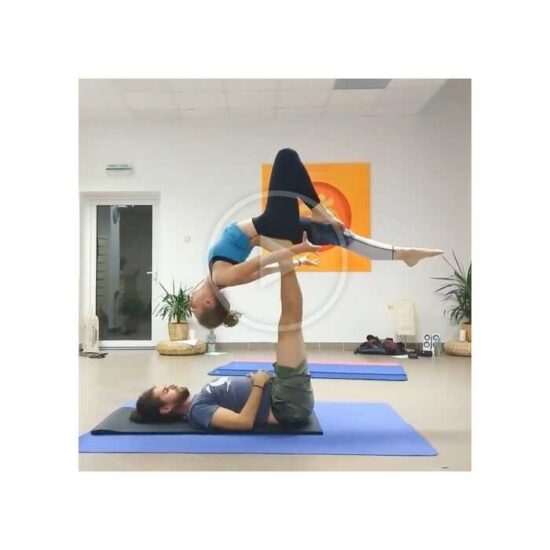
AcroYoga Flow (Beginner/Intermediate) / AkroJoga Slovensko
This is a beautifully crafted, long flow designed for beginners. Whether you break it down into smaller parts or practice …
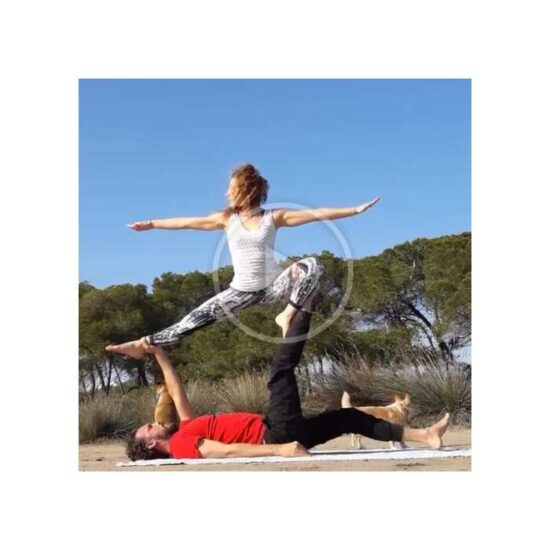
Acroyoga flow. Acroyoga BEGINNERS ACROYOGA POSES
Acroyoga BEGINNERS ACROYOGA POSES with Danzaires Acroyoga Fernando Vizcaíno Carles This video features a longer acroyoga sequence — about 5 and …
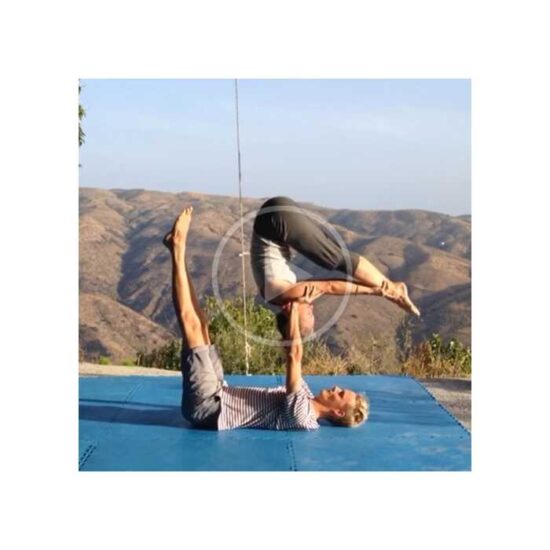
Floating paschi flow – Simons Akroyoga
Used poses January 1, 2025 Bird (Free bird, no hands) Acroyoga Poses / Birds / Front bird If you managed …
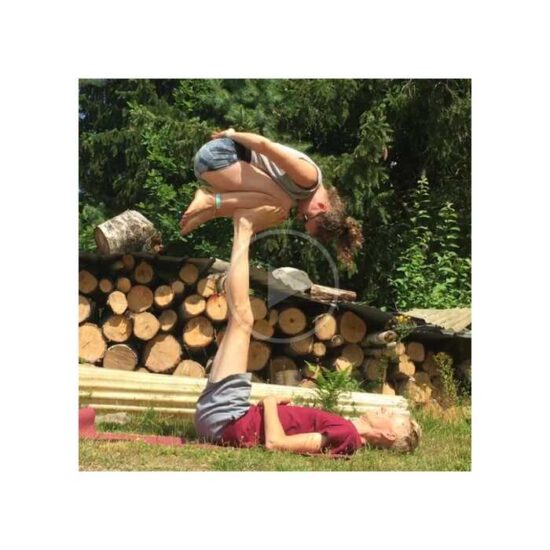
The Breathing Buddha Beginner Flow
This lovable little sequence is built from beginner elements, providing a great opportunity to practice and connect familiar moves. This …
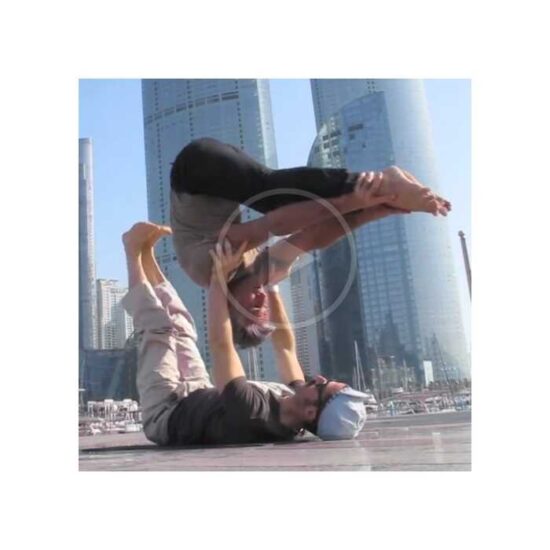
Kadri + Daniel Old Skool
I recommend this sequence for beginners or advanced practitioners working with a flyer heavier than their own weight. https://www.youtube.com/watch?v=wsP-ojB-EUA Let’s …